Having individual heating and cooling units (per unit gas heaters!) is stupendously inefficient.
I travel in Asia fairly regularly so this isn't new to me, but even after all of these years I can't believe I continue to see shiny, brand new "high end" condo buildings in Hong Kong, Shanghai, Tokyo, Seoul, etc., with individual AC units hanging out the window.
Contrast this with a condo in Minneapolis that I own wherein heat and AC are central in the building and individual units can set their temperature to whatever they like - all run with tremendously higher efficiency.
It was explained to me once that there are Asian (specifically, Chinese) attitudes towards thrift that make it inconceivable/impossible to pay for AC that someone else might be using (or misusing). I don't know how true that is.
What I do know is, my building in MPLS looks very nice without several hundred crappy boxes hanging out the windows.
> Having individual heating and cooling units (per unit gas heaters!) is stupendously inefficient.
> Contrast this with a condo in Minneapolis that I own wherein heat and AC are central in the building and individual units can set their temperature to whatever they like - all run with tremendously higher efficiency.
This needs some real data.
There are a few central technologies that might be used. A condensing gas-fired boiler might exceed 95% efficiency if you imagine that losses in the hydronic pipes are minimal. An evaporative cooling tower has awkward-to-define efficiency because it consumes water, but I doubt it works very well in Miami. A giant air-source central heat pump might be reasonably efficient (COP around 4?).
But little modern heat pumps with variable-speed drives (often marketed as "inverters") can be very efficient indeed. Fujitsu will sell you a unit right here in the USA with SEER 29 or better, and the general trend is that the smaller units are more efficient than the larger units. (Yes, SEER uses ridiculous units.)
Additionally, in most markets, a reasonably efficient heat pump is both less expensive to operate than even a 100% efficient boiler and has lower greenhouse gas emissions.
I will say, however, that a deeper dive into these efficiencies would also have to take into account the production, distribution and installation costs (embedded pollution, not dollars) of several hundred little devices vs. a single plant that is integrated into each unit during building construction.
Even considering room by room optimization (turning off AC in living room while you sleep, etc.) it's hard to imagine this penciling out vs. operating + embedded costs ...
(and I still suspect that just the operating costs are higher, but your point is well taken ...)
A common form of central heating, like burning fossils kind that delivers hot water over insulated pipes to each building, is more efficient in pretty much every way and is cheap to add during building construction than doing it individually. But it's not the case with a "central AC", it's less efficient, more expensive to add during building construction and operating costs are no better. Just think about it, you can't just deliver cold over a pipe and rely on air convection, like with heat, you need to literally move cold air into each room and make it individually adjustable. It's a ridiculously inefficient complicated expensive system requiring extra space and with installation costs higher than that of all AC units individually installed.
You could, but chilled water circulation is the more typical heat transfer medium in central, building-wide units. Water can carry a lot of heat, is cheap and readily available, non-polluting, non-toxic, easy to pump, easy to plumb, and liquid at temps convenient for heating and cooling.
The first apartment building I lived in in NY had this. The only downside was that if the board put off maintenance so long that one summer the cooling towers were busted, then they waited until may to start the project to replace them, then an early heat wave came, it could be darn uncomfortable for a week or two. (That did indeed happen, just like I told it.)
Although I do wonder how that works with something like district heating/cooling systems, which seem to rely on centralized boilers and chillers to move thermal energy between buildings.
I was gonna say, the outlay of capital for a building-wide hydronic system and an evaporative tower, versus each owner be responsible for their AC, I can see why that would be possible.
Particularly if the building is older.
Also, I am curious why there are multiple single condensor units in lieu of multizone units...I guess it is financially easier to purchase one unit at a time.
I know it's only one datapoint but recently we had four indoor airco units installed in our house for the bedrooms and livingroom. I expected a single outdoor unit. However during talks with the installer he advised us to go for two outdoor units. This was cheaper in hardware, a bit more efficient and way cheaper to install by placing one outdoor unit on the front of the house and one on the back so all rooms could be reached within a meter or so from the outdoor units.
For heat pumps more outdoor units is definitely more efficient, since the outdoor unit needs to be big enough to accommodate all connected indoor units at once, and will be on even if only one is in use. Two per unit is my go to trade off on that one, with an attempt to group together units that are more likely to be used at the same time (so no bedroom / living room split, try to stick with bedroom/bedroom and living room/dining room etc).
BTW they have low profile indoor units that can be embedded flush with the ceiling or wall, so the bulkiness indoors is not even required anymore.
those ceiling mount units ... not sized for typical US construction techniques, so installing them in an existing ceiling can be quite complex. If you're doing new construction, it is possible to correctly frame up the ceiling so that installing them becomes trivial.
Those SEER 29 units are available but in my short time once selling AC units, most went for the lowest cost unit available. Those cheaper units are not as efficient.
With split units the maximum efficiency attained is in the hands of the customer. Great for customer freedom, but not so great for the environment if the lowest of the low in AC units are available.
Semi-related question: How is fresh air turnover handled in apartments with split AC units?
Make sure if you get a mini-split that you do the following around keeping the condensate drain mechanism going. I have yet to see a mini-split product manual/installation guide that gives detailed information on these operational issues.
Many models let you run the condensate drain on your choice of right or left side. The unused side is often only supplied with a friction-fit drain plug. Over a period of many years, some of these plugs can shrink, not quite fall out, and then you get a real mess.
Make sure the drain pipe is dry. Clean it with denatured alcohol, then let dry again.
Buy a silicone sealant that carries a 20-year warranty. Buy a roll of "cork tape" [1]. Fill about 2.5 cm / 1 inch of the drain pipe with the silicone sealant. Stretch wrap the drain plug with the cork tape, so the tape thins out while sticking to the plug. Pinch/squeeze/roll the part of the tape that hangs out beyond the end of the plug so it is slightly smaller than the stem of the plug. Push the plug into the drain pipe, and try to push it all the way up to the head of the plug. The cork tape will fill out and adhere to the walls of the pipe. Finally, stretch wrap more cork tape (or self-fusing silicone waterproof tape if you don't like the stickiness on both sides of the cork tape) around the entire drain pipe and drain plug assembly, including wrapping the end, and seal up the assembly to the pipe.
Mount a very slightly tilted metal shelf underneath the mini-split air handler (the part that mounts on your wall inside your building), and install an AC-mains-powered moisture sensor that cuts off power to the mini-split when triggered, at the lowest end of the shelf. Mini-splits usually use a zero-capacity drain pan to stay as slim as possible, and if they clog up at the condensate drain pipe, they overflow rapidly (within minutes).
Learn how to take the plastic cowling off the unit before you mount it, document it by video or photographs, and stash it with your product manuals. Mini-split manuals usually don't show how to take them apart enough to get at the condensate drain, and most models I've seen have lots of plastic catches all over that are hard to see when you're standing on a ladder peering between the ceiling and the cowling. If you ever get biogrowth in it, you'll want to know how to take it apart.
Or, if you don't want to take it apart to get at the drain, you can codge together a way to run your wet/dry shop vac to mount to the condensate drain and pull stuff out. I used a shop vac mini kit [2]. I also got a venturi-based device to try to develop more vacuum [3] with the CO2 tank I normally use to make fizzy water.
I'm not sure of the kind of plastic, it usually feels like some kind of HDPE.
I and others have had inconsistent results with SharkBite fittings for long-duration uses, for example see [1]. I suspect their O-ring is a potential weak link over a decades-span. YMMV. I like them for temporary (a few weeks to a few months) scenarios, but I haven't seen enough field experience like with PEX to know its design limits. I might use BoatLIFE Life Seal sealant in the future for the silicone if I run into another already-installed mini-split because I've seen it stand up very well to a massive amount of marine abuse in the short-term (3-5 years), but they don't warranty the sealant for longer than a year because of how much abuse it is normally put through, so I'd just be an n=1 experiment.
Personally, the next time I will install a new mini-split or similar that has such a alternate drain arrangement, I'm going to do the following before the installer arrives. Flip the unit upside down so the pipe points up, drop some JB Weld putty into the bottom of the pipe, then fill the rest of the pipe with West System Epoxy to make it truly permanent and out-of-sight-out-of-mind for any possible extreme lifecycle of the unit.
A friction-fit drain plug pointing out with the pull of gravity in a thermally-variant environment is just asking for trouble. If I had the right tools I'd probably fab up a replacement drain pipe out of stainless steel with threading to accept a silicone plug, and West System epoxy the pipe to the body of the unit, and see how that works.
When I moved to UK I was shocked that each house amd apartment (!) has a separate gas boiler, a device that need maintenance, takes up space, makes noise and regularly kills people with carbon monoxide. I then met a person who lost a loved one to that thing!
In Russia and Czech Republic we have district heating, you just get billed for the amount of hot water consumed. Some of that heat comes from industrial sources or nuclear power-plants.
Even where it's coming from a giant gas boiler, they can be efficient combined heat and power units. Ofcourse, some of that infrastructure is old, but a rich western country should be able to do even better.
We'd only have a boiler in rural areas, to have them in apartments is just madness.
I've definitely seen gas boiler/heater in city center apartment, Olomouc, Czech Republic.
I am from Ukraine. While in theory district heating is awesome there are some problems in implementation:
* every summer there is a three weeks period without hot water, a lot of people have electric boiler as backup, it is even bigger than gas boiler
* no hot water in off peak time on upper floors of old buildings, have to flush some away, fixed with loop in new buildings
* old buildings vertical heating pipes makes it impossible to bill apartment, no incentives for heat insulation (wall and windows) or reducing temperature, 25°C in winter is a norm, fixed with per apartment pipes in new buildings
* a lot of heat escapes pipes, melted snow patches in winter
* fixing broken pipe is messy, change of the pipes even worse, seen both
* requires high level of participation - at least some small towns have no district water for 20 years, some even without district heating
* modern gas boilers are 90+% efficient [1]
Some new buildings have heating plants, looks like a better idea. But heating is a big part of CO₂ emissions, stored hydrogen heating plant is a future. Even better if it is a power plant too.
What's missing from the description of a district heating paradise in Russia (ex USSR really) are constant issues with hot water / heat availability throughout the year. It's not unheard of cities shutting down central hot water supply for months for maintenance, or breakdowns of central heating in the middle of the harsh winter. The further you go from regional centers, the worse situation gets. The temperature that you get in your apartment out of this system is also inconsistent, and depends on a variety of issues with aged infrastructure.
My family lives in a relatively small town in Ukraine, got fed up with that and installed a gas-powered heater that serves both heating and hot water. This setup is 15+ years old already, never looked back. When the rest of the building is freezing cold, it just works.
In Russia and Czech Republic we have district heating
This exists in some cities in the United States, but it's usually older cities like New York and Chicago.
The plus side, is that often if you have a building with district heating, you will also have district cooling.
On a somewhat related note, some of the buildings in Chicago heat and cool themselves with water pumped directly from the Chicago River. Lake Michigan acts as a giant thermal reservoir. ("Cooler by the lake," as the TV weathermen say.)
It's also interesting that it's also part of the city's drinking water supply:
> The Energy Transfer Station includes large arrays of heat exchangers that allow the heat from the downtown chilled water loop to be rejected into the city’s drinking water supply before distribution to the public. The heat removed from the downtown chilled water loop is therefore never transferred to Lake Ontario and the slight temperature increase is insignificant for water utility consumers.
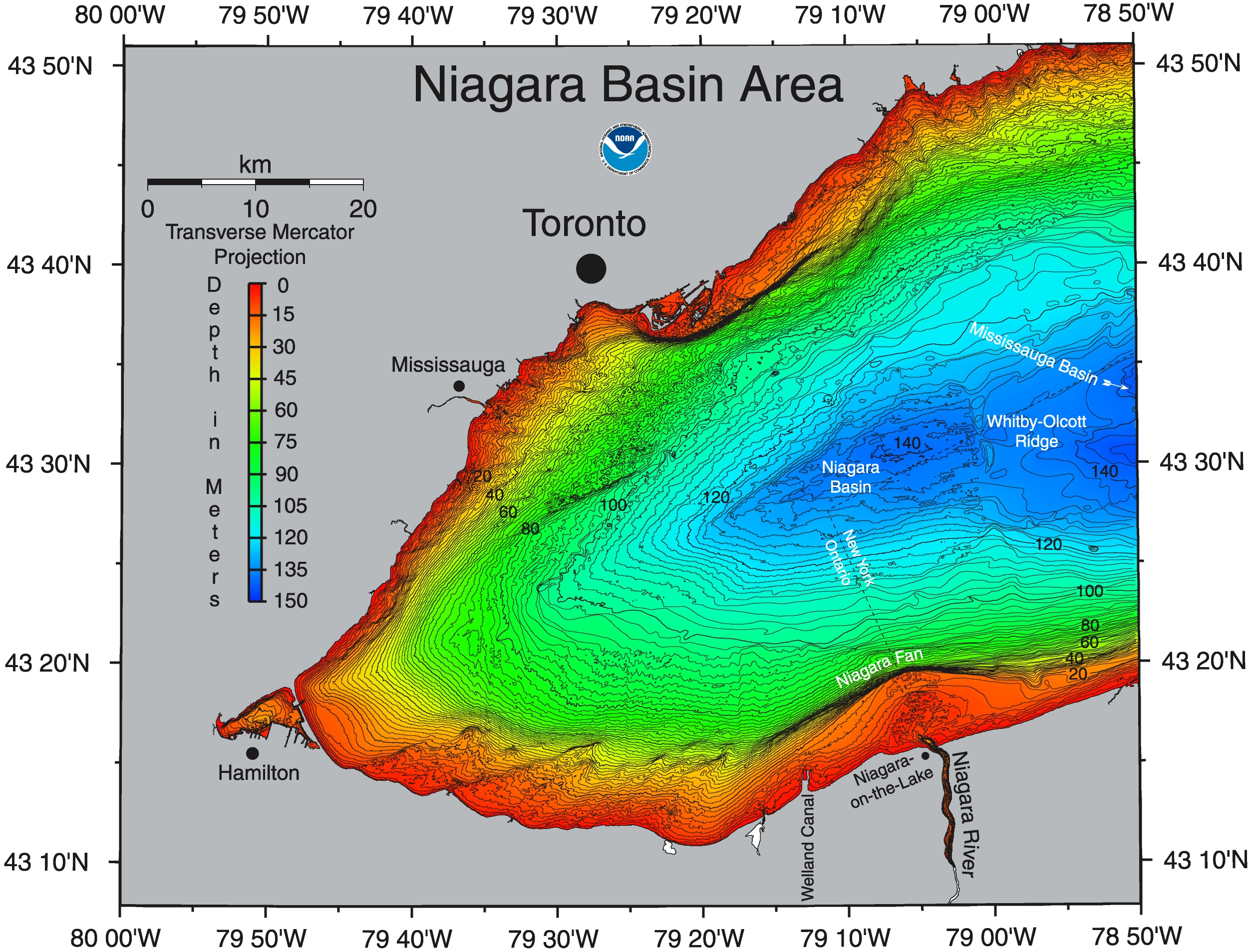
It's a fantastic use of a great resource. It works because Lake Ontario gets pretty deep pretty quickly near Toronto [1]. The drinking water they bring in is extremely cold year-round:
> Three intake pipes run up to 83 m (272') deep and out to 5 km (3 miles) from the shore. The physics of cold water are factored into the design. Water is most dense at 4 degrees Celsius (39.2 degrees Fahrenheit), ensuring that the cooling water removed from the lake bottom will have a consistent year-round temperature at the system’s intake points. The cooling water to be used by the Deep Lake Water Cooling system first goes through Toronto’s standard water treatment process to become regular drinking water.
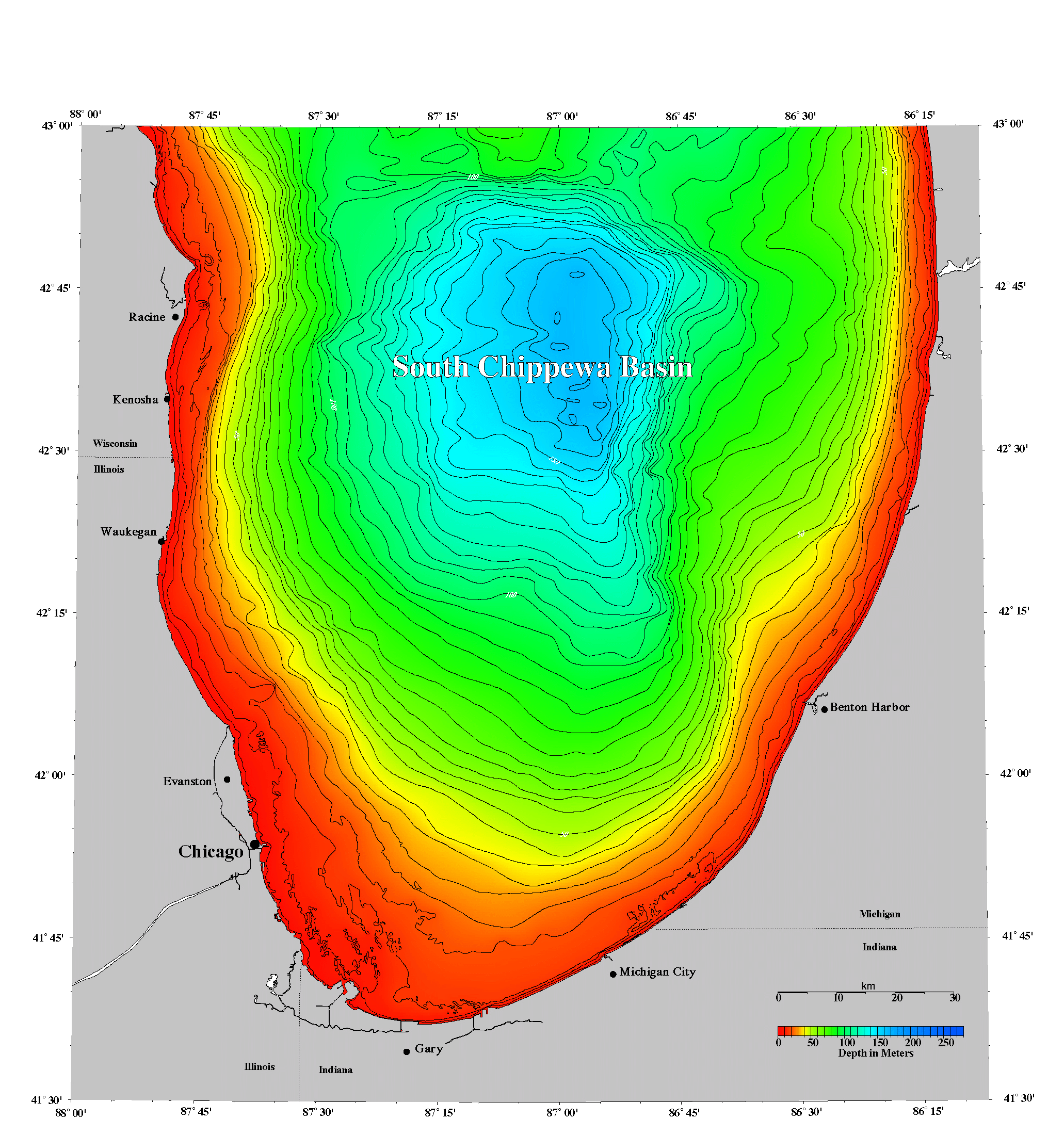
I'm not sure that there is any other large city in the world that has deep enough fresh water so close that this would work. Such a system would be welcome here in Chicago, but it isn't feasible. You'd need to go 30-40 km into the lake before it got deep enough [2].
Yeah but there is no such infrastructure in most of the UK, so it would be a big and expensive undertaking to build it.
Individual gas/electric boilers are a pretty good solution. Maintenance isn't that hard, though legally you need a Gas Safe certified technician to do everything, and they're smug, expensive, slow, and not all that smart tbh. But because there's no competition you have to put up with that :D
That was the most frustrating thing for me - I could do everything myself, but wasn't allowed to.
For apartment blocks it's particularly silly because you can install a single device in the basement at the time of construction. Some newer blocks have it.
UK housing stock is in desperate need of upgrades, most houses are literally bleeding money through the walls because of poor insulation, and because heatpumps are much more efficient that boilers.
Consider that they are more economical when supplying several houses, pay for themselves over time and that interest rates are zero. It becomes obvious that we need a large-scale program of energy efficiency upgrades, it would create jobs during a recession and help address climate change.
My new build flat in London has district heating like you describe. It's a complete nightmare and I wish I could get rid of it.
Firstly, it's incredibly expensive. There's no regulation on the price you can charge for heat, and there's no competition for supply like gas and electric. So the apartment freehold owners charge eye watering fees for it. I could save probably 50-75% a month even paying for the cost on a new boiler, plus a service package.
Secondly, there are a lot of outages. Much more than I've ever experienced with standard boilers.
The outages are quite literally out of your control, unlike a gas/electric boiler where you can get someone to fix it out of hours. One particularly bad outage was nearly 48 hours in winter over a weekend, caused by incompetent building management and a seeming inability to get highly specialised parts from Germany to the UK to fix it on a weekend.
I've obviously had normal boilers break down but usually they can be fixed in a couple of hours, at least temporarily enough to get a proper fix sorted.
Prior to certified technicians people were dying of carbon monoxide poisoning after improperly installing or maintaining boilers. https://www.youtube.com/watch?v=0B_sgYnNEO4
District heating exists in the Netherlands as well. Even though it might be more efficient it usually is crazy expensive. I paid more for heating and hot water in my 90m2 apartment in Utrecht with two of us where we almost never were at home than for our 150m2 house with two extra kids and being at home often.
That's all wonderful until they shut off your hot water for a month for repairs. :-) Source: lived in Moscow for 8 years. Vastly prefer my 60 gallon boiler.
I think it's more efficient to heat/cool single room than all house when for e.g. you spend most of the day in office/living room and then go to bed. That way you only have one AC running but of course if you have big family then it maybe makes sense but still... Those mini split AC efficiency is much higher than I have seen in US ducted systems (follow few channels) because mini splits uses inverter technology for higher efficiencies.
If your house is well insulated it doesn't make much difference as the cooling needed for when you are in the room (assuming you use all rooms every day) is most of the cooling needed for the entire day. Thus you may as well temperature control everything at once and call it good. The loss of energy is more than worth it considering the comfort.
If you have poor insulation the above doesn't apply.
In extreem climates there is another consideration:you need to keep the entire building warm enough to keep the pipes from freezing. Here you keep everything warm because if the heater fails in one room there is a risk you won't enter that room until it is too late and you have done major damage. By having one central unit it is much more likely someone will notice before there is a problem. Extreme climates also tend to have better insulation which makes the central system more convenient.
I am not sure that it is true that split system ACs are substantially less efficient than central. And depending on the size of your unit and how much space you can leave unconditioned, it can save substantial energy to use a split solution. For example, we used space heaters during the winter in cali to save substantially on energy. This is because even with much less efficient electric heating, heating just two bedrooms at night is more efficient than heating the entire house. (We saved hundreds of dollars each winter despite that a btu from an electric heater costs two or three times as much as a btu of gas.)
Exactly - obviously the larger the home and more uneven the occupancy, the more the individual units make more sense.
And you don’t have to have one indoor unit per outside unit. Systems that can have one outdoor unit with up to four inside units are readily available.
What’s really wild is Mitsubishi’s City system - designed for commercial spaces (or really large homes) you can have dozens of internal units. And more impressively, it can move heat around inside the building. If you were having a party in the middle of winter and all the body heat was heating up the room where everyone was you could “AC” that room and then dump the heat elsewhere in the building.
The key is the per-room zoning. Minisplits are by far the easiest and most efficient way to micro-zone. Also the elimination of loss from ductwork should not be discounted either; it’s often very significant. Especially if you can eliminate ductwork from unconditioned space!
> It was explained to me once that there are Asian (specifically, Chinese) attitudes towards thrift that make it inconceivable/impossible to pay for AC that someone else might be using (or misusing). I don't know how true that is.
I don't know how true it is either, but I can provide some mild support.
Several years ago a vicious heat wave hit Shanghai, and the subway stations filled with people taking advantage of the air conditioning. I asked a friend about this -- I don't see the subway station as a particularly nice place to hang out, since it's loud -- and the response was "they all have air conditioning at home, but they don't want to pay for it".
I was a bit surprised he bought two condensers instead of one large one.
I’m looking for a mini split currently and I found condensers with up to three separate coolant lines (although with the shape of my place. I might only be able to use 2 at once, and have to use a window unit on the other end).
Unit size (especially width) goes up much slower than BTUs, so the main value of two seems to be cooling your house in installments, which he isn’t doing.
Others have mentioned the efficiency of cooling individual rooms instead of the entire home so I'll skip that. (Not to mention that in Korea and Japan, halls are considered "outdoors" and are not heated or cooled, which is a massive waste of energy for the few seconds that people spend in the hallways.)
My issue is that any place I've lived with central AC (or a condo with a fan coil unit) is that when it's actually hot, the central units don't have enough capacity to cool my unit down enough and don't provide enough control. It's like the old cable modem congestion problem where the whole neighbourhood slows down during peak times.
Heat is even worse; when buildings are heated centrally they're usually much too warm in the winter and I end up with my balcony door opened to let the heat escape. Vastly less efficient than letting me heat my own unit.
By forcing people to heat and cool only their units as required, people either get the exact temperature they want, or will accept a non-ideal temperature and supplement with fans to save money.
I’ve only been to one city in India (Chennai), but my experience there was that common areas are not air conditioned. Hotel and office hallways, public restrooms, etc.
>Contrast this with a condo in Minneapolis that I own wherein heat and AC are central in the building and individual units can set their temperature to whatever they like - all run with tremendously higher efficiency.
Is it more efficient? There is going to be loss as things get pumped across hundreds of feet even with insulation. The central system needs to run even if few units or not units are using it just in case. In Asia heating and cooling is done per room to the minimum as I understand it so "per unit temperature" wouldn't fly. And an in-room gas heater is going to be 100% efficient with no losses due to transmission.
Generally (in a high-rise) the units are fed a steady stream of ‘supply air’ at 50 F or so, and heat pumps in the unit itself control the climate in the unit.
HVAC needs to run constantly in these buildings as they’re sealed and need airflow for air exchange.
Air isn’t heated and then sent thru the ducts in a high-rise building.
Hard to say. Many central systems are old an inefficient. However modern high efficiency systems require a water drain which rooms often don't have available thus most room systems are not able to get the best modern efficiency. Most houses in Minneapolis I used to live there) have a single furnace in the basement which can achieve just as much efficiency as any other central system.
There also indoor unvented space heaters. They work and are very efficient. However they put all the combustion byproducts into the air, and thus really only useful in rooms that have a lot natural ventilation (tents for example)
For heat, yes, but not AC. For example, the Mitsubishi MY-GL12NA is a very efficient mini-split with an EER of 13, but a random modern window or through-wall unit (ex: https://amazon.com/dp/B07D8R2V8H/) will have an EER of ~12.
The bit about attitudes towards shared payments is fascinating. I wonder if this is truly attitude or just lack of choice.
Are there any concrete examples of existing systems where people choose to pay more when the alternatives are significantly cheaper but pricing is shared?
Hypothetical example scenario: Someone would choose to pay $10 for their own water instead of $2.50 (on average, with minor fluctuations), in order to avoid subsidizing other tenants' water usage. The difference in cost could be attributed to the maintenance burden of many monitoring devices. I have a hard time believing anyone would choose the more expensive option.
> Are there any concrete examples of existing systems where people choose to pay more when the alternatives are significantly cheaper but pricing is shared?
Lately new condo builds in Toronto will have an in-unit heat pump that fails within 5 years (and May or may not sound like a spaceship), with a coolant line going to a central unit that’ll have a geothermal/auxiliary heating/cooling loop, that also tends to fail.
All in all, a stupid system in practice. Only benefit of it all is that you don’t have to wait for the building to change between heating or cooling mode.
At least we tend to still have central hot water and don’t meter water yet. Metering can make a lot of sense, but not when your account fee is $15-$20/month. Any reduction in use just means some rich dude goes on more jet vacations.
New buildings built over the last couple of decades generally have provisions for keeping the outer unit of the air conditioners out of the way.
We largely use ceiling fans in Singapore. The difference in electricity bill between the couple of months with horrific heat where we use a lot of air conditioning and the rest of the months where we don't is pretty steep. A few people may want to use air conditioning all the time - so it's fair to give others a choice.
Heating on the other hand in cold countries is pretty non negotiable from what I've experienced - so centralized may work better.
All of those images look more like heat pumps, which are actually ridiculously power efficient, especially if you're heating/cooling the rooms individually (since you're cooling only the hotspots, not the entire house to handle one hot room).
EDIT: The unit installed by the article's writer is an AC only, which is probably because the AC is cheaper than a heat pump. But a heat pump can both heat and cool, and are quite efficient.
Lower adoption rate of inverter air conditioner on other countries is odd for me. The only non-inverter mini split air conditioner in Japan is lowerst grade cooling-only model (and not so much cheap).
I used to live in a building that had an electric furnace in each unit. The air conditioning coils were connected to a condenser shared with the building; the size of the piping led me to believe it might be pushing chilled water (vs. refrigerant) to each unit. No crappy boxes hanging outside, individual per-unit control inside.
Could this be a norm that developed when AC was less common in those countries and only became available as an upgrade in recent decades? Compared to western nations with a longer history of wealth and a reliable power grid, it’s probably a more recent phenomenon that installing AC during construction was practical.
This is not limited to Asian, single units are also common in European, and Central American cities; (likely buildings that existed prior to air conditioning ubiquity -- which also related to sealing of the home);
Much of this is related to air conditioning attitudes as well; Do you need to have comfortable temperatures in the entire house or just a living room with comfort when working, watching tv, eating dinner.
tldr; air conditiong views vary from necessary to an accessory; where they're an accessory, one of units are most common
Whole building climate control isn't really the problem, it's that unlike electricity, there's not a good billing system attached to it like we have for eletric and gas.
Other than "it doesn't exist yet" there's nothing fundamental about central air that precludes being able to bill individual units separately based on their usage. The fairest way for a group to pay for something isn't always diving the total cost equally among the group. Can you imagine if we did that for taxes?
I doubt that. OP said "individual units can set their temperature to whatever they like"
This implies they can turn on/off their usage. So you can install one electric meter per unit, which equally distribute the current load on the A/C, and turn the meters off (increasing load on other meters) when that unit is not consuming A/C.
Whole building climate control doesn't mean all units are set to the same temperature! The discussion is specifically about a zoning hvac systems and billing for them.
HVAC systems unfortunately don't work as nicely as you describe. You can't run the HVAC for just one unit, typically buildings are broken down into floors and either the system for the floor is on or off. This is how you see multi-tenant offices designed -- each floor is submetered and the cost is divided proportionally among the tenants on that floor based on square footage. The zoning works by controlling airflow in the ducts. So while your billing system is clever it would be absolute murder if you were the only one running AC/Heat and you would be much better off with a smaller individual unit.
Hot air can hold a lot more moisture than cold air. (what you said). However when you take cold air and heat it the amount of water in the air doesn't change, while the amount of water than the air can hold did. When talking about water in the air the important part is how much it can hold relative to how much it does hold, not how much it actually is holding.
Steam heat is radiant which feels very good. Nothing to do with moisture added, steam heat is almost always a closed loop so no water is put into the air.
1-pipe steam has to have vents at the radiator which do let a small amount of water vapor into the room (despite being mostly closed loop). 2-pipe steam does not have this limitation.
Maybe modern steam heat doesn’t, but the vintage system in that house did let some steam out. But even without that, it didn’t drop the humidity like forced air heating does.
I used to live in a flat (I guess you would call it a condo in the US) with heating provided by the building. My landlord who I lived with left the heating on 24/7 during the winter and the flat would get ridiculously hot. Even though he was the one paying for it indirectly through service charges. This arrangement is becoming quite common for new build flats in the UK but I would actively avoid if I was looking to buy.
Someone said Japan used to be in the title - and now that it isn't - I think it should go back. HN is mostly a US based website (with an emphasis on Silicon Valley). This methodology is wildly uncommon in the US. There's very little likelihood this kind of thing would happen in well over 90%+ of the USA.
First off - if you're renting - you're not putting holes in the walls that go to the exterior and there certainly aren't any already existing. I've never seen or heard of that in the USA - particularly for apartments. Secondly - you're not hanging air conditioning units off the exterior walls of the apartment (rental or owned - you don't own/rent the exterior and ain't no residential building consenting to that shit). If you had a balcony, that's where it'd go, at best. Thirdly - where's your power coming from!? Most of these units are 220V and usually there is only one or two 220V power outlets in American homes these days and they're always dedicated to the washer+dryer. Maybe you have a third for an electric oven/stove. (Or an electric water heater) You'd have to run new power lines and that involves tearing up the walls. You could try to find 110V mini-split AC units but they're pretty uncommon in the USA (and much less powerful). As well, not having that AC on a dedicated breaker means you'll be giving up all other outlets on that breaker whenever the AC is on, which could be a lot of essential outlets in esoteric places.
Great insight for someone who lives in Japan and someone who wants to see what it looks like to install AC in Japan. Put it back in the title!
> Most of these units are 220V and usually there is only one or two 220V power outlets in American homes these days and they're always dedicated to the washer+dryer.
Meh. Only relevant if you need to pull more than 15A or so. There are plenty of portable air conditioners for sale in the US and most are happy with 110V and less than 15A.
> HN is mostly a US based website
This sounds like gatekeeping. There are lots of readers from all around the world.
> Secondly - you're not hanging air conditioning units off the exterior walls of the apartment
In the US. This is not particular to Japan. In fact, I'd argue that this is the most common air-conditioner setup worldwide, with building in many countries providing supports for either split systems or, more commonly, 'window' units.
> Meh. Only relevant if you need to pull more than 15A or so. There are plenty of portable air conditioners for sale in the US and most are happy with 110V and less than 15A.
You don't really know if people are happy with what they have. They just get what they get because that's all they can do. If your building outlaws window units, just because they have portable units - does that mean they're happy with a portable unit?
> This sounds like gatekeeping. There are lots of readers from all around the world.
American readership dwarfs every other country and region. It doesn't matter if there are "lots" of others when it's a US based website. YCombinator itself is mostly about investing in US based companies. Just look at the number it invests in in the US vs every other place. https://www.ycombinator.com/companies/ It isn't gatekeeping - I'm asking for someone to put in a more accurate title. After all - if I put "Rules of the road" up and it was Japan's rules of the road on an American website, it would be misleading. One would be expecting something relevant to the website they're reading it on (an American one!) while reading it but - instead - it isn't. Thus, bad title! It would be better to say, "Rules of the road in Japan".
> In the US.
How many times did I reference the USA in my comment? Five times. Guess I should have done six so that people wouldn't get confused about where I was talking about!
A lot of central AC installations in the USA were added to the house some time after it was built, and the heating ducts were already there, so now they are used as the AC ducts too.
I only really know about it in the area where I live. AC was not generally included in new construction in the San Francisco Bay Area until the 1980s or 1990s. I wouldn't be surprised if a majority of apartments in the area still didn't have AC, based on the amount of window AC units I see.
However, most homes built in this area were built central ducted heating systems since the 1950s-1960s, when there was a massive building boom. Most older homes have had central heating added as a retrofit decades ago -- even old Victorian homes. So when people upgrade to AC today, it's very common to just use the same ducts.
It's not easy to find a house with a ductless mini split AC system around here. Most homes have a single-zone central system that cools the entire house.
> many countries providing supports for either split systems or, more commonly, 'window' units.
I think that's what GP was saying about the US -- while window units are very common, split systems are relatively rare. But anyway I think most of the article wasn't specific to a split system A/C unit, or even air conditioners in general.
I have had a mini split system in my basement for 5 years and I am the only one I know who has one. They are around enough that Home Depot carries them and yet rare enough that many HVAC contractors do not have experience with them. It was a great retrofit for my basement office. However, my system is oversized. It is in the 90s F and high humidity outside and when I have the system set to 72, it makes the basement 64 degrees F and I have a space heater on under my desk since my computers don't put off nearly enough heat.
The relative humidity in my basement is 48% which is AMAZING for Georgia. That thing plus the dehumidifier makes it the perfect home office and pantry storage.
Most of the blog post was about reverse engineering the control protocol and automating the unit. The same principles could be applied to other A/C units, like window units that are ubiquitous in many parts of the US. It is not specific to split system, they didn't even install it themselves, that was a minor part of the blog post. Also, their methodology of writing their own software is uncommon anywhere, even in Japan; but that's true of many things that get posted here, that's what makes them interesting.
Most of your points are very good ones, but one thing jumped out at me - in my experience, 12000 BTU 110v mini-splits aren't that hard to source, nor crazy-expensive, in the US. Super worth it, too, if you can manage it.
> First off - if you're renting - you're not putting holes in the walls that go to the exterior and there certainly aren't any already existing. I've never seen or heard of that in the USA - particularly for apartments.
This is allowed in my apartment. My closest neighbor cut a hole in the door leading outside and affixed an air conditioner to it, then made a setup of plastic bagging to make it lead all the way to their bedroom across the living space. In fact multiple other renters on the first floor did exactly the same thing.
It's a relatively expensive place in Washington at around $2,200/mo market price.
Or maybe I'm misunderstanding and the hole in the door existed before. I'll have to ask the next time I see them.
Portable air conditioners with a hot air vent to the outside are common, but a mini-split like in the post needs a licensed installer or you can face EPA fines.
Did their front door have a pet door? I can imagine venting hot air through that. Or maybe taking the original door off the hinges and putting it back when you move out, though landlords get cranky about not having working keys.
I like that the schematics are included on the air conditioner. I have a few older appliances like this that have it, and it has helped me a few times replacing/diagnosing parts.
I laughed a bit where he explains about "Humidity" and the temperature. I know Americans are fat and lazy and love our AC's, but if you spend any time on the east coast, it's a giant swamp. Life is pretty insufferable without an AC when you are sitting inside all day working - and newer buildings are not designed with passive cooling in mind. I'd like to thank my forerunners for sucking it up but I basically keep my 3 window unit AC's on from June-Sept in Philadelphia.
In Louisiana and Arkansas (probably several other states), the temperature can get over 100 Farenheit with super high humidity. This leads to "swamp @$$" without copious amounts of AC. Being comfortable requires AC in the home, car, and at work.
In highschool gym class we would just sit in the shade under the bleachers during the summer (too hot to do anything) and be dripping sweat everywhere back in class. It was miserable.
It's just so miserable during the summer. The downside is that I'm only used to temperatures between 69 and 74 Farenheit, so I would be miserable in some place like Germany where they just live with the heat for a few weeks each year. I rented a house in Portland once without AC and it was during a heat wave. I'd douse myself in cold water, sit under the fan, and get very little sleep.
A hurricane just hit Louisiana and the grid damage has been extensive (worst on record) so no power or AC. My mother's house is 85 degrees inside at night so she's sleeping in her office which is in a nearby town with power. I haven't seen the numbers yet, but typically a lot of elderly people die in these conditions without AC.
The hurricane hit last Thursday I think and these are the current outages still in effect. Normally we would have power again in a couple of days in most non rural areas. The fact that it's been a full week and could be out for two more weeks is just unheard of.
Heating buildings still takes more energy than air conditioning (usually much larger temperature differentials), people in the past used an enormous amount of energy on heating. They just consumed and generated the energy locally in the form of burning fuel, probably wood and coal instead of using an electric grid or natural gas.
Also, I don't think A/C is any more of an energy wasting gadget than a heater. I can survive, moderately comfortable on a camping trip down to -10C, probably colder if I needed but I certainly wouldn't want my office/home to get that cold. Similarly, I don't want my house to be 30C with 85% RH.
As much as A/C is amazing, it’s the lack of moving air that makes me the most uncomfortable. I’ve always been surprised at how much of Europe seems to have no interest in fans, ceiling or otherwise.
In Italy many are worried about "colpo d'aria" (blast of air) which they blame for all sorts of health problems. They also dislike ice in their drinks and think eating/swallowing some will hurt you too. I'm not certain whether the current generation of youth believe it or not.
That sounds really nice. Which latitude? Most of my time in Europe has been UK/Ireland/Netherlands/Belgium/Austria and in the summers I wouldn’t say I’m often “hot” but it does often feel stuffy. Especially in bedrooms, and sometimes feeing that same way on warmer autumn days as well.
Pretty much every AC in the US has schematics somewhere behind a cover plate because field service by ordinarily trained technicians is a part of the equipment's life cycle. Basically, it's a safety issue (it might even be a UL requirement, I just didn't go that far down the google rabbit hole beyond the UL White Book https://legacy-uploads.ul.com/wp-content/uploads/2014/09/UL-...).
Actually, going to the office on a July morning in NYC feels very much like you're in e.g. Hong Kong; if you cross e.g. the Brooklyn bridge, you also see the typical haze of very high humidity over the water. Sometimes it's an actual fog at, say, 80-85F around.
I also live in Japan, and recently bought 3 new air conditioners, but my instinct was the opposite: forego anything "smart".
For tech like that I want it to be as dumb as possible so that there are less things that can go wrong with it. As a bonus the dumb ones are much cheaper as well.
Those 2 AC's there almost the cheapest models you can buy for 6 tatami size and iirc they were 39k/ea. I needed to buy those modules extra to make it "smart"
Nice, your now smartened ones are actually cheaper than our dumb ones then. I was looking at CS-220DFR, also for 6 tatami, for which the best price on Kakaku is 49k (tax inclusive).
But in the end we got three Daikin ones from our moving company, because their prices were similar (actually almost felt like we get the moving service as a bonus), and it seems very convenient to have one company do everything.
Curious to see if they try to sneak in some extra fees at the last moment, because as it is I wonder if they're actually making a profit with us.
Exacatly my 30k install cost for 2 ACs were high already after all works they like so it will be 15k extra I am like WHUT but oh well it's japan next time going to rent tools for 5k and materials for like 10k max.
My unit CS-229CFR with tax I think was 42k or similar and model to make it smart was +5k so it was still cheaper than cheapest smart model
Is this really specific to Japanese air conditioners? Or is this really about mini-split ac that are manufactured around the world under many companies.
I don't see whats specifically Japanese outside of the person using Panasonic and is in Japan.
The person could be in the USA with Mrcool mini split, it would be a similar article.
Edit: title has been changed to remove mention of Japan, so my nitpick may no longer valid:)
I've never seen an apartment building in the US with special pipes for running the refrigerant lines. It's just not feasible to install a mini split in the US if you're renting, but it appears Japan is totally set up for it.
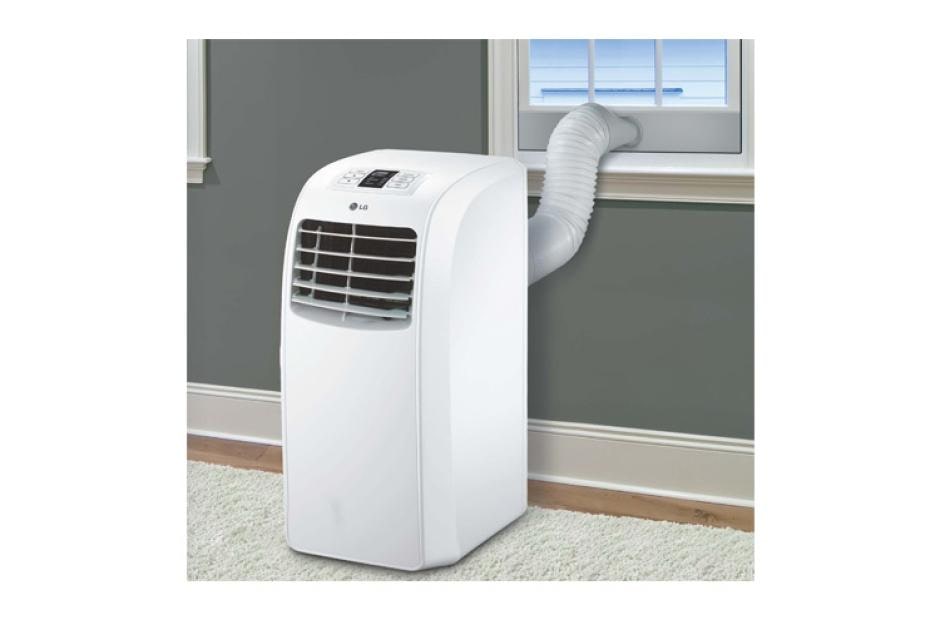
It's the same in many parts of the US, but unless the apartment comes with central AC, we're stuck with noisy and inefficient window AC units[1], or worse, portable AC units[2].
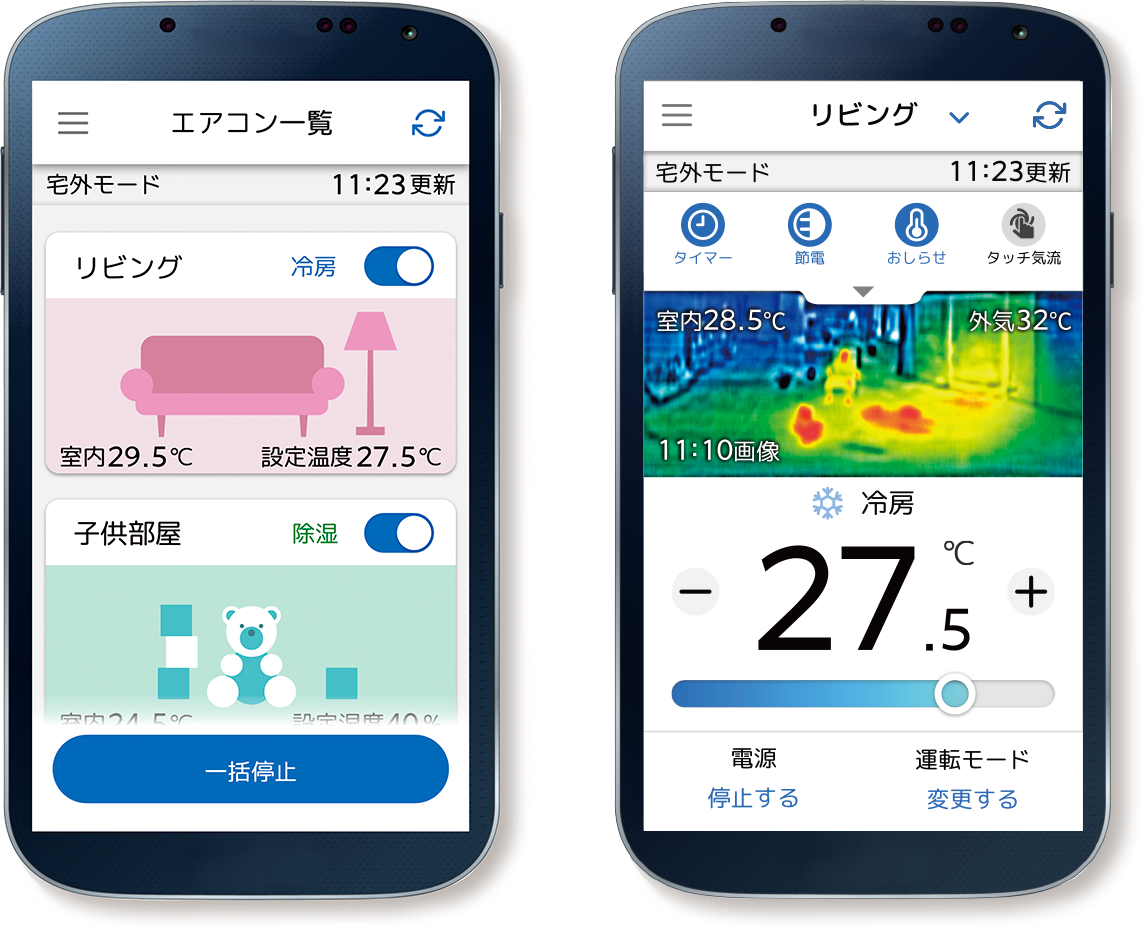
He uses the Echonet Lite protocol[1] and says that it is a home automation protocol used in Japan. So that whole second part is Japan specific. I agree that the rest probably isn't.
It's not uncommon for renters in Japan to provide the AC unit, the washing machine, and other appliances. The plumbing is already there for a split AC unit, but the appliance is not.
What I’d like to know is how they safely pipe gas to all apartments given the occurrence of earthquakes. Does the main valve auto shut off in the event of tremors above M3 of something?
There is heavy measures regarding that topic. One is Gas Meter turns off all the gas when earthquake happens. Second I think all pipes are flexible so it wouldn't break from earthquakes
I did a much easier solution for my airconditioner (also in Tokyo so everything OP said applies): I bought a broadlink rm mini3 (IR emitter) for <$30 and hooked it up to homebridge using homebridge-broadlink-rm [0].
Then went ahead and recorded all signals my aircon remote could send and put it in an excel sheet for safe-keeping. Next, plugged the IR codes into the homebridge plugin, put the small device in line-of-sight with the aircon and tadaaa, my old ghetto aircon is now smart.
For getting the temperature of the room, I use other devices (a netatmo weather station) and used their API to pull the current degrees into a textfile on the server that is getting fed into the airconditioner plugin.
Bonuspoint: I use the same IR emitter to control my TV. I just have to make sure it's in a place that is in line-of-sight with both my TV and aircon, but given how small apartments here are - that was not a problem. The plugin has a functionality to frequently ping an IP for checking if something is turned on, so I use that to determine whether my TV is on/off.
You may not even need direct line of sight, as long as the TV can see what your remote is shining on. I know my remotes work from behind obstacles if I just aim them up at the ceiling.
There are also inexpensive IR repeaters, intended to let you have your AV equipment stuffed in a closet and still be able to use all the remotes.
Should've bought Daikin A/C's - their network bridges speak HTTP with a simple REST service. Highly recommend, it was very easy to integrate them into my home automation setup.
A lot of consumer-grade ACs use IR-based remotes which can easily be connected into whatever automation solution you have with something like a Broadlink bridge.
Yes, but only downside of that is beep sounds and stateless, while Echonet Lite can provide you all internal properties like outdoor temp and etc and also current settings.
You can't query those for the current room temp, current settings etc. So then if you mix the OEM app & your home automation app, things get messed up. IR bridges are a hack in home automation, when buying new stuff avoid them.
Just my personal opinion, but the thermometer on an A/C unit is kind of worthless unless you sit within a foot of the unit. I prefer being able to read a sensor on the opposite side of the room, or even several sensors throughout the house, rather than one on the A/C unit. I don't use any OEM app at all, just my own. The OEM ones never do exactly what I want, so I have to hack something additional onto their features anyways. Home automation systems are really personal anyways though. I'm sure anyone here who's implemented their own has their own unique opinions about what's best ;)
Now premium A/C unit in Japan like from Mitsubishi Electric features high precision temp sensor to detect room temperature. Even middle model has good sensor rather than simple temp sensor.
I have already one Panasonic AC, so mixing them didn't feel right. Plus I have few extra Echonet Lite devices in home so it would be easier for my case.
Where are the refrigerant lines, how did they run them from compressor to evaporator?, I thought the biggest issue with AC self install is filling the refrigerant and sealing those lines.
Notice on the left edge there is a large white "pipe" running from the evaporator unit down to a hole in the wall (the hole was already present and visible in other photos). The refrigerant lines are running inside that white cover and through that hole to the outside unit.
> I thought the biggest issue with AC self install is filling the refrigerant and sealing those lines.
As for the refrigerant fill, yes, that is the part of the work that most DIY folks will not have the equipment to perform. The evaporator and compressor units for most of these mini-split units come prefilled with refrigerant plus enough extra for X length of tubing (I forget the length X at this time). The install basically involves installing the lines, evacuating them (refrigeration grade vacuum pump needed here) and then opening the shutoff valves in the two units to release the already present refrigerant.
Since most DIY's will not have a refrigeration grade vacuum pump, and are unlikely to be able to justify the several hundred dollars for one for a one-off install, this is the point where the DIY'er would need to call a professional for the final completion of the install.
Some mini-splits (MrCool DIY series) also come with the lines precharged using quick-connects. These require no professional tools or equipment, with the drawback that installation is limited to the exact length of line provided.
Rated to pull high vacuum, <500 micron at the most. You can get such pumps very cheaply, the issue is usually the volume on them - when I tried using a very cheap ($60) one it took a very long time and kept going into thermal protect on the way down, and that was with a small system. Refrigeration techs use vacuum pumps that both move a large volume and can do very high vacuum and that's pretty expensive, although not insanely so - I see one from a popular HVAC brand for $500.
In japan there is also way to rent tools, next time I am doing it by myself it costed almost third AC to get 2 installed... When materials and rent didn't even cost more than 1 install cost
Units come pre-charged now. My new central air unit was pre-charged at the compressor for 50ft of line. You need to still seal the lines to the unit which requires something hotter than a propane torch(acetylene), then you should purge the lines with nitrogen, have HVAC gauges to verify the pressure holds, then evac with a pump watching the gauges again. Those are some pricey one-time use tools. Some mini-splits now have DIY connectors and precharged lines to work around those issues.
When it comes to pricey one-time use tools, I’ve found that I can come ahead by buying online (used or from Asia) and reselling it locally once I’m done.
It’s the tools I keep that end up costing me. I might need that 2nd jack, 3rd ladder, always nice to have a bucket of 10mms, bike rack for changing tire 1x/yr.
Like are those wall color piping on the left side. The mini split ACs in japan come with precharged outdoor unit which has valves closed so the installers route lines from indoor to outdoor unit (using already packed with insulation lines). The connections are made using flare connectors. After all connected they use vacuum pump to evacuate air from lines and then opened up lines that's basically all in the installation.
I looked at that model (I can't install a traditional mini-split at my apartment) as a way of reducing the noise in my bedroom b/c of the AC, but the reviews are mostly bad, and many related to issues with the refrigerant after trying to disconnect and reconnect it over time...
There are units that come with compressors pre-charged with an amount of refrigerant for the units and a lineset length of between X and Y. You can also buy linesets of different lengths that have all the ends pre-fabricated.
After installing everything, you open two valves on the compressor unit to flood the lineset and evaporator with the refrigerant. It's not perfect [the lines are likely to have some water vapor in them], but it works. (The manufacturers also charge a premium for these "DIY" versions, so if you can find a way to do the traditional charging, you can save some money [or apply that towards an HVAC tech to come out, do a quick vac the lines/leak test/charge].
I recently installed a mini-split in my garage, Mr. Cool DIY 24k. The lines come precharged, as long as you don't need to alter the length, you can completely DIY it. Most people just coil up the extra line behind the unit if needed, the length of my run meant I had no extra.
It's clearly not the same quality as the non-DIY Mitsubishi and other units, but US installers barely know what mini-splits are anyway. Installing mine cost under 2k total IIRC, and the nearest quote from a pro was 5k+. Highly recommended.
I just did a DIY install of a mini split AC, including running electrical and the refrigerant lines, having never done so before. There was a whole "hidden side of the iceberg" to learn besides just the controller parts of how it works. The unit cost was ~600 while the install would have been ~1500, so I was betting that if I mess up catastrophically I could replace the whole thing once or even twice.
Did you use a vacuum pump for the refrigerant lines? If air is still inside the lines, the unit will not last as long - the problem is the trapped moisture that can damage the pump in the long run.
Yup. The pump is cheap on amazon and there's youtube videos a-plenty. The mini split AC's come with the refrigerant charge stored in it, so it's crucial to get it properly connected and vaccumed the first time.
Did you have to get your work inspected? Where I live in the United States, the electrical lines would have to be inspected for compliance with building code, and I am not sure about the HVAC lines.
I wish those holes for refrigerant lines in apartments were standard in the US. My apartment in the bay area has no AC and furthermore doesn't allow window units, so I'm stuck with inefficient portable units. I'd love to be able to just put some mini-splits in (and I'd probably still come out ahead over renting a place that comes with central AC).
Just by luck before the pandemic hit I installed ground heat exchange with cooling for my house. This is so efficient the cooling is free. How do you ask is that even thermodynamically possible? Well all the heat from the cooling is used to heat the hole, which you get back in cheaper heating of the house from the same hole in winter. It's amazing!
I find it odd that for heat he only mentions units external from the a/c. The 'cu-229cf' unit he bought seems to be capable of heatpump mode[0]. Nonetheless, I really hate mini-splits. They always have really thin intake air filters that really don't filter anything. Thus the insides of the indoor unit are always caked in layers of dust and mold.




I travel in Asia fairly regularly so this isn't new to me, but even after all of these years I can't believe I continue to see shiny, brand new "high end" condo buildings in Hong Kong, Shanghai, Tokyo, Seoul, etc., with individual AC units hanging out the window.
Contrast this with a condo in Minneapolis that I own wherein heat and AC are central in the building and individual units can set their temperature to whatever they like - all run with tremendously higher efficiency.
It was explained to me once that there are Asian (specifically, Chinese) attitudes towards thrift that make it inconceivable/impossible to pay for AC that someone else might be using (or misusing). I don't know how true that is.
What I do know is, my building in MPLS looks very nice without several hundred crappy boxes hanging out the windows.